French industrial gas supplier Air Liquide opened a new factory near the port of Taichung, Taiwan, on Wednesday, as the semiconductor industry faces a worsening helium shortage triggered by the ongoing U.S.-Iran conflict, the New York Times reported. Roughly a third of global helium production is offline after Iran struck Qatar's largest liquefied natural gas facility earlier this month, damaging helium production lines that could take years to rebuild.
What’s more is that around 200 specialized containers used to transport liquid helium were stranded near the Strait of Hormuz when the war began, according to Phil Kornbluth, a helium industry consultant cited by the New York Times. He says that repositioning, refilling, and delivering those containers could take months. “There is a tsunami coming, but it’s still a thousand miles offshore.”
Article continues belowHelium must be stored near absolute zero in liquid nitrogen-insulated containers. Once that insulation is depleted, the helium warms, expands into a gas, and becomes hazardous. Richard Brook, CEO of helium consultancy Garrison Ventures, told the New York Times that chip makers can only store about six weeks' worth of supply before it starts heating up.
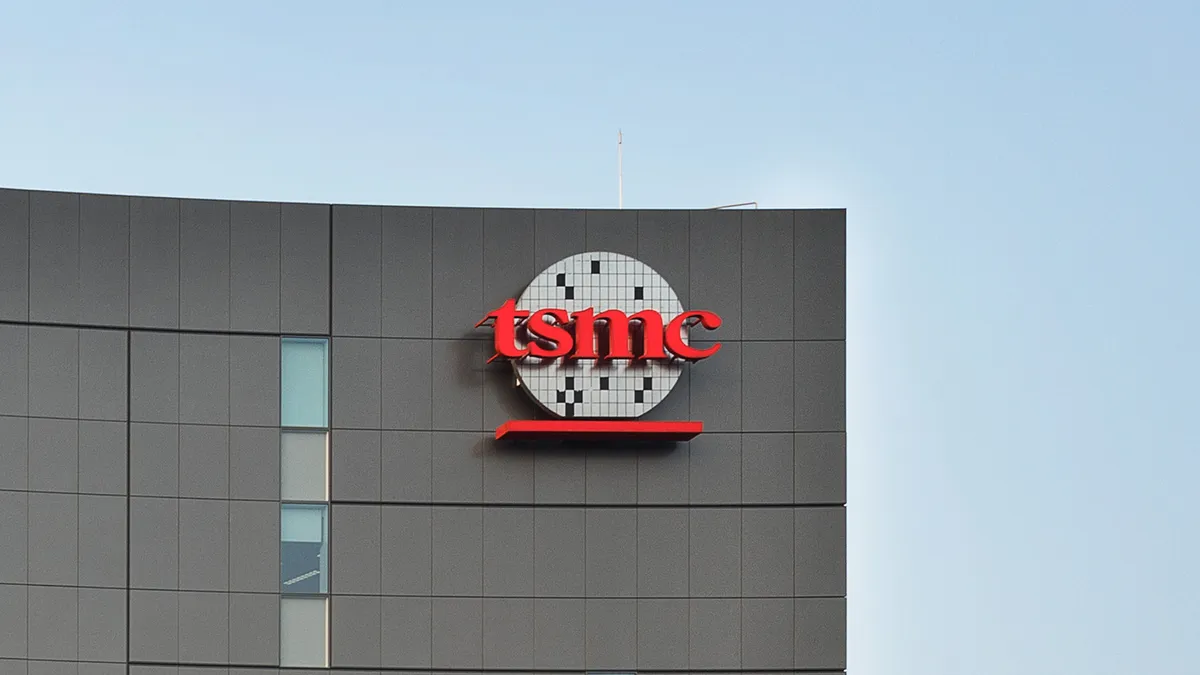
Air Liquide's Taichung facility sits near one of Taiwan's three ports equipped to handle liquefied natural gas and helium. The company said it is assessing customer stockpiles and diversifying its helium sources. TSMC said it doesn’t anticipate a significant impact at this time but is monitoring the situation, while Taiwanese thinktank director Arisa Liu reckons that the chip maker should have enough helium “for several months” at this time.
It’s chip makers in South Korea that are particularly vulnerable to the shortage, because two-thirds of the country’s helium imports came from Qatar last year. South Korea's Ministry of Trade, Industry, and Energy has launched a review of more than a dozen semiconductor materials and equipment types with high dependence on Middle Eastern sources.
South Korea and Taiwan each account for around 18% of global wafer fabrication capacity, according to Boston Consulting Group and the Semiconductor Industry Association. Memory chip prices have already risen sharply amid booming AI demand, and any further supply constraint on helium could force chip makers to prioritize high-margin AI silicon over consumer products.
When helium runs short, semiconductor companies tend to outbid every other industry for available supply, Brook told the New York Times, because the cost of idling a fab dwarfs any premium on the gas itself. “They’ll outbid anybody,” he said, leaving other sectors like pharma and medical imaging short of supply.

Follow 3DTested on Google News, or add us as a preferred source, to get our latest news, analysis, & reviews in your feeds.