QatarEnergy has not restarted helium production at its Ras Laffan complex — one of the largest concentrations of helium production infrastructure globally — nine days after Iranian drone strikes forced the facility offline. The ensuing disruption to supply has sparked concerns for South Korea's chip industry, Nikkei reports.
Helium consultant Phil Kornbluth, speaking at a Gasworld webinar on March 4, said that if the outage extends beyond roughly two weeks, industrial gas distributors could be forced to relocate cryogenic equipment and revalidate supplier relationships, a process that could stretch over months regardless of when Qatari output resumes.
Article continues belowSouth Korea is among the most exposed countries, which, according to the Korea International Trade Association, imported 64.7% of its helium from Qatar in 2025. The country relies heavily on helium imports to cool silicon wafers during fabrication and is understood to have no viable substitute.
The country's Ministry of Trade, Industry and Resources has reportedly launched an investigation into supply and demand for 14 semiconductor materials and equipment types with high dependence on Middle Eastern sources, Nikkei reported on Wednesday. Bromine, which is used in circuit formation, is another big concern, with South Korea sourcing 90% of its imports from Israel, also party to the ongoing conflict in Iran.
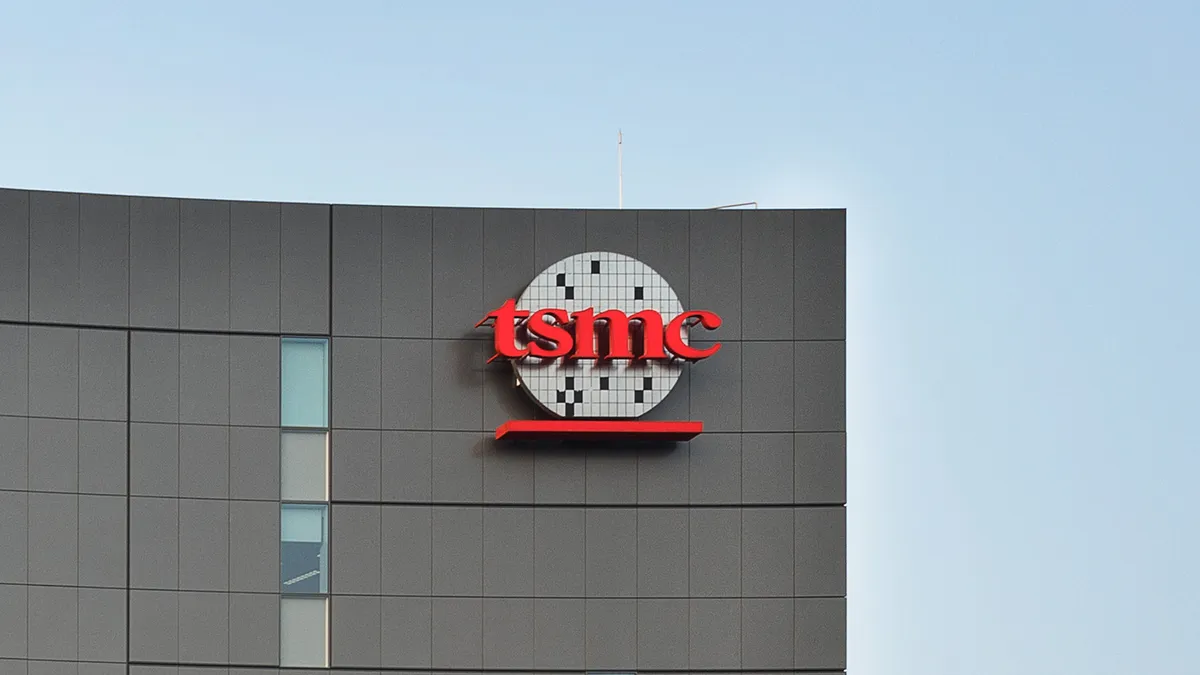
South Korean memory giant SK hynix has since said it had diversified supplies for helium and secured sufficient inventory. Meanwhile, TSMC said that it doesn’t currently anticipate a notable impact following Ras Laffan going offline, but that it’s monitoring the situation. South Korea and Taiwan each account for 18% of global semiconductor production capacity, according to Boston Consulting Group and the Semiconductor Industry Association.
The situation echoes a 2022 shortage of helium and neon, which was triggered by Russia's invasion of Ukraine. That event prompted South Korea to pursue supply diversification and domestic production of those gases, which are used in lithography to transfer circuit patterns onto wafers

Follow 3DTested on Google News, or add us as a preferred source, to get our latest news, analysis, & reviews in your feeds.