Data center buildouts have regularly been in the news for their massive power needs, the strain they put on the grid, and the energy prices that can increase for residents in the general vicinity. The buildouts usually require years of planning and approvals for grid connections. Those timeframes are a preposterous notion for companies invested in the AI gold rush, who have started sidestepping the issue entirely by building their own power generation, fueled mostly by natural gas turbines.
A cursory look at the situation suggests it's a win-win for everyone, as it avoids stressing local grids and accelerates buildouts. However, the quick-patch solution hides many pitfalls, including, but not limited to, carbon emissions and local pollution. This "shadow grid," as the Washington Post (WaPo) calls it, reportedly includes at least 47 data center buildouts across the nation, according to a report by energy-tracking company Cleanview.

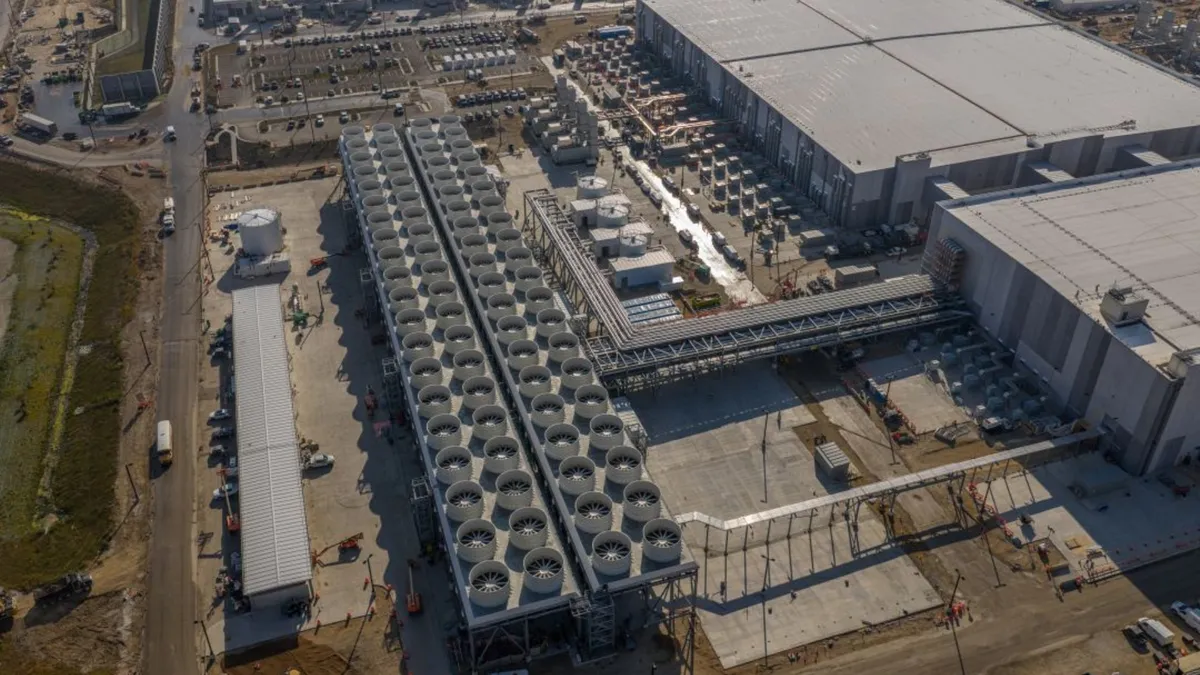
Many of these data center builds have colossal power requirements. The off-grid GW Ranch project in West Texas will reportedly use as much power as Chicago, combining natural gas and solar panels to feed itself. A similar story is unfolding in Mason County (West Virginia), where the expected gas demand is enough to serve 1.5 million residences. Usage could eventually quadruple, enough to serve every West Virginia home. Cleanview's Michael Thomas described the situation as "catastrophic for climate goals."
Whereas popular opposition to the construction of new data centers has grown fierce, WaPo says that some states have passed laws enabling off-grid data centers by tweaking rules on where power plants can be built and who can build them. The unexpected appearance of the plants has left local residents frustrated by the lack of transparency and agency, especially as most companies behind the buildouts reportedly try to keep their names off the projects.
Even without accounting for environmental concerns, data centers may still impose indirect costs on local utilities, as AI's money lets builders outbid utilities for equipment, leaving local grids to bear higher maintenance and expansion costs. Indeed, gas turbines are already sold out through 2030, surprising no one.
To their credit, AI companies are investing in nuclear SMRs and fusion research, but those take time, while the AI gold rush demands immediate rollouts of data centers.
Critics also point out that the gas plan may not be as solid as the entrepreneurs think, given that gas turbines cannot operate around the clock like data centers do, apparently spending a third of their time offline. Adding to that, data center builds are "trying to rush to market with a bunch of clankety old stuff that was headed to the scrapyard, or with dozens to hundreds of small generating units strung together," according to Eolian's CEO.