The AWS Health Dashboard reports that multiple services in the Bahrain region are experiencing operational issues and disruption. Multiple AWS sites have been hit in the Middle East since the beginning of the conflict, including two confirmed strikes in the UAE. The Bahrain site also experienced a drone strike in close proximity at that time, meaning this is the second time that the company’s services have been disrupted in the area. AWS attributed the disruption to drone activity in the area, with the company saying that it's helping affected clients move to AWS data centers that aren’t affected by the war.
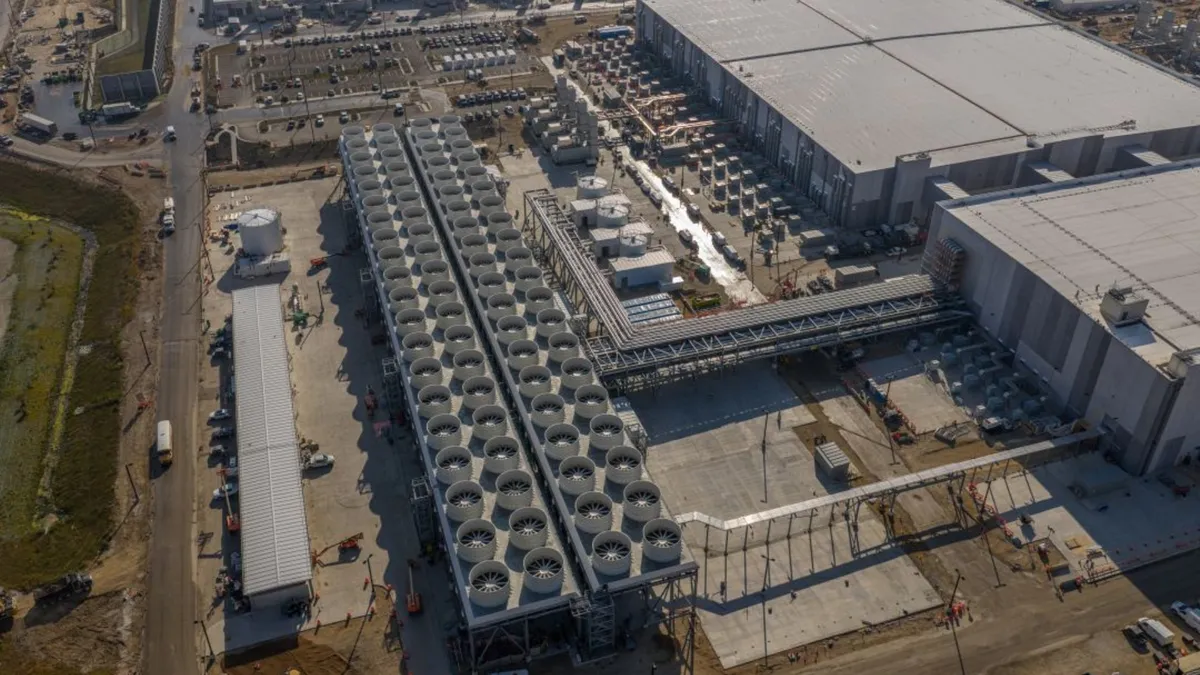
Although AWS did not confirm that the Bahrain site had been directly struck by a drone, which is what happened to two AWS facilities in the UAE, the possibility that the current disruption has been caused by a strike cannot be ruled out. This would clearly be destructive to the site — aside from the damaged structure, the shock from an explosion could devastate the sensitive electronics found inside data servers, as well as disrupt power delivery and even activate fire suppression systems, leading to water damage to multiple units.
Article continues belowThis is likely costly for AWS: aside from having to allocate resources from other regions for displaced clients that were served by the Bahrain site, the company will have to shoulder the cost of any repairs or maintenance at the affected site, as most insurance policies usually do not cover acts of war. It’s for this reason that many companies in the region are declaring “force majeure,” saying that they’re unable to fulfill their obligations due to the risk brought about by the conflict.
It’s not only the infrastructure serving the Middle East region that has been affected by these events. Meta’s 2Africa undersea cable project has been delayed after Alcatel Submarine Networks, the firm laying the fiber optic cables in the Persian Gulf, declared that it can no longer safely operate in the area. Qatar’s helium production — which SK hynix relies on for cooling silicon wafers while they’re in production — has shut down after that Ras Laffan complex was reportedly targeted by drone strikes. Even specialized materials, like gallium, have been affected as production in the Middle East has been suspended due to the lack of gas supplies.
The conflict between the U.S., Israel, and Iran is about to reach a month, and, at the moment, there seems to be no end in sight. And even if the hostilities end today, it will take months, if not years, before the industry can repair the damage and get production back to pre-conflict levels and ease the shortages seen today.

Follow 3DTested on Google News, or add us as a preferred source, to get our latest news, analysis, & reviews in your feeds.