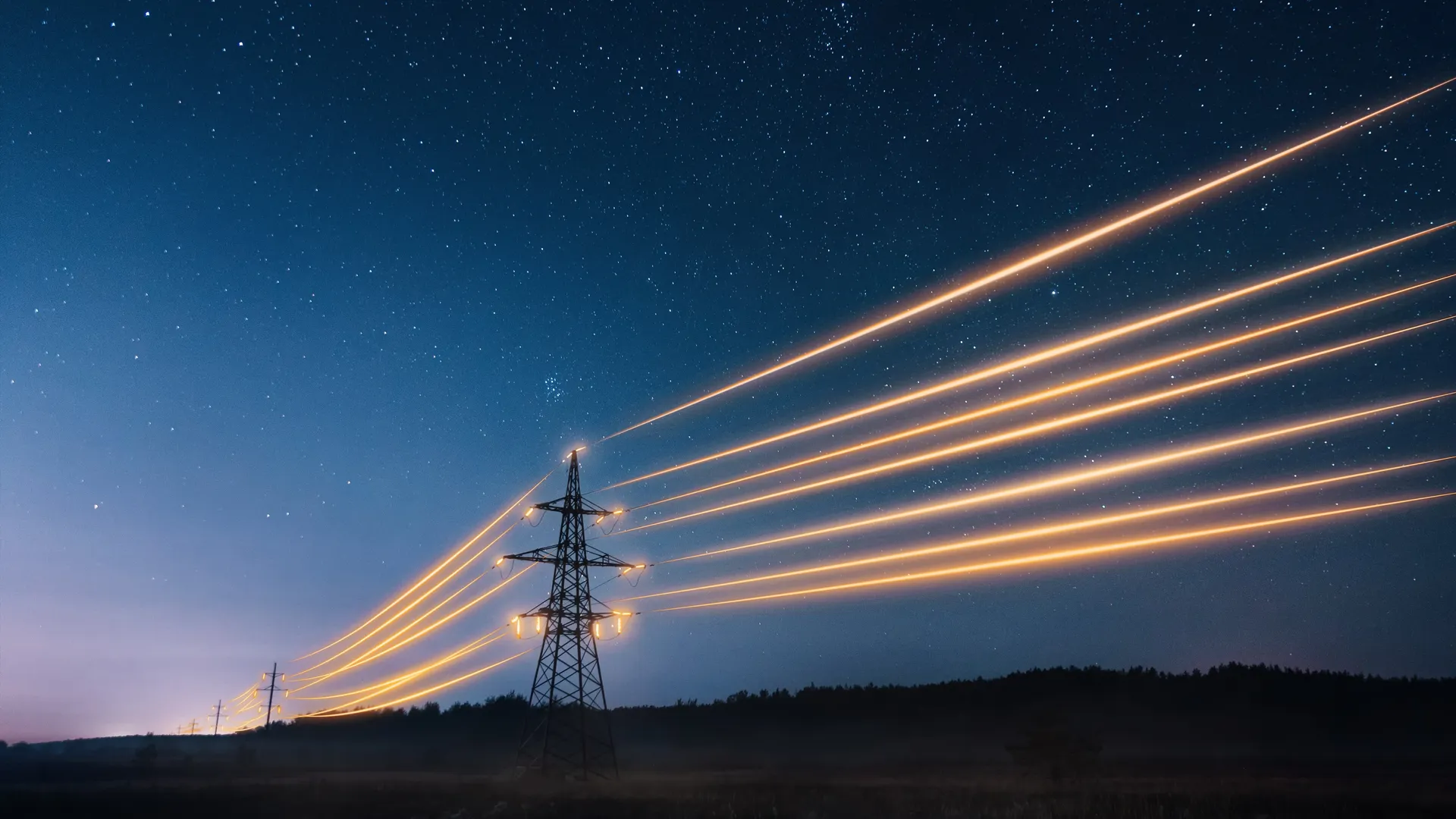
A U.K. Study run by the National Grid, Nvidia, Emerald AI, and the Electric Power Research Institute (EPRI) just showed that AI data centers do not need to run at peak demand at all times. According to Bloomberg, the report suggests that hyperscalers can quickly adjust their power consumption as needed, ensuring that the grid is not overloaded when other consumers increase demand, while also using excess power from renewable energy when demand falls. If AI tech companies agree to this arrangement, it could allow them to go online much sooner, especially as the lack of available grid power has been hampering the deployment of more AI GPUs.
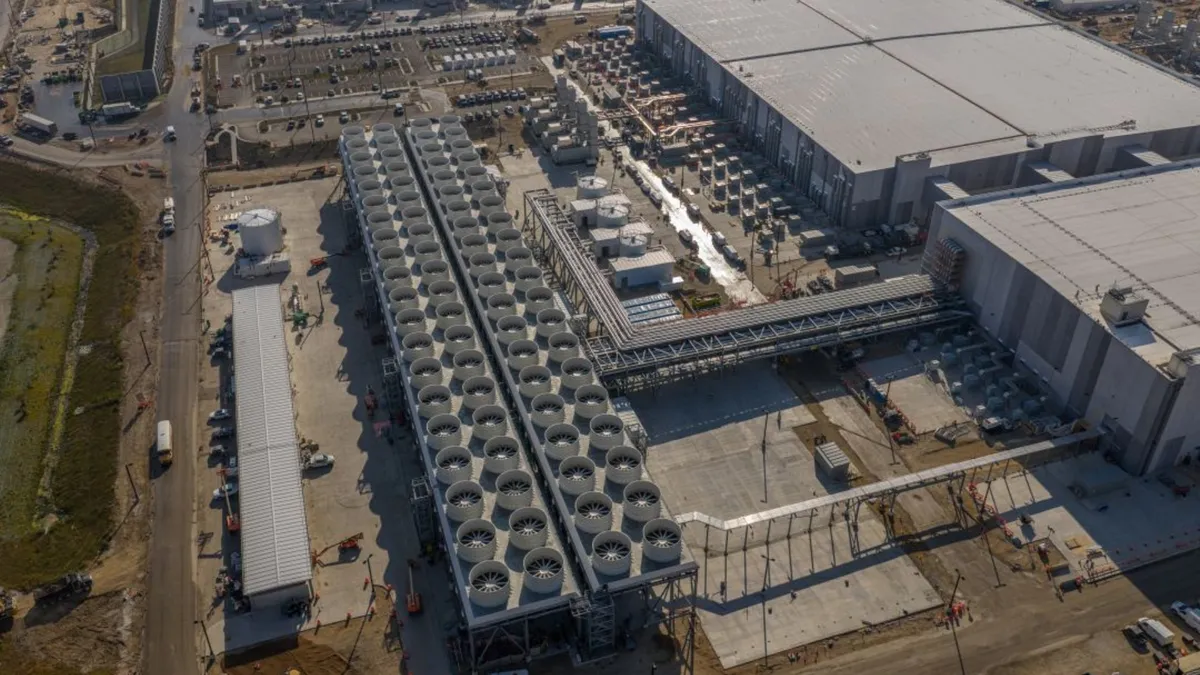
This isn’t an ideal scenario for many hyperscalers, especially as they need as much power as they can get to maximize their expensive GPUs. However, insisting on this capability means that they’ll have to wait for the local grid to catch up (which can take years, if not decades), or they’ll have to deploy their own onsite generators (which can get expensive, unless they have deep pockets like OpenAI, and come with their own set of challenges).
This would be a win-win situation if both data centers and electricity grid operators could agree to run a system like this, as it would allow the former to expedite connecting their infrastructure to power while the latter could maximize their capacity even during off-peak hours. In fact, many utility companies already have a system that monitors spikes in demand and supercharges the grid as needed.
There is a phenomenon called “The Great British Kettle Surge,” wherein U.K. Power providers prepare the electricity grid for the expected surge during breaks on popular TV events like the World Cup. This happens because millions of households boil their kettles simultaneously during these breaks, resulting in a sudden peak in power demand for a few minutes.
Now, instead of pouring in more electricity from power plants, which we’re already in short supply of, the operators could just ask AI data centers, which are one of, if not the biggest, power consumers, to reduce their demand. It might take some time and maybe some push from regulators before this can be implemented, but it’s a good short-term solution that will allow data centers to go online as soon as possible without breaking the grid.

Follow 3DTested on Google News, or add us as a preferred source, to get our latest news, analysis, & reviews in your feeds.