Micron predicts that cars will need 300GB of RAM — memory-laden vehicles could exacerbate shortages but create 'robust long-term growth in automotive memory demand'
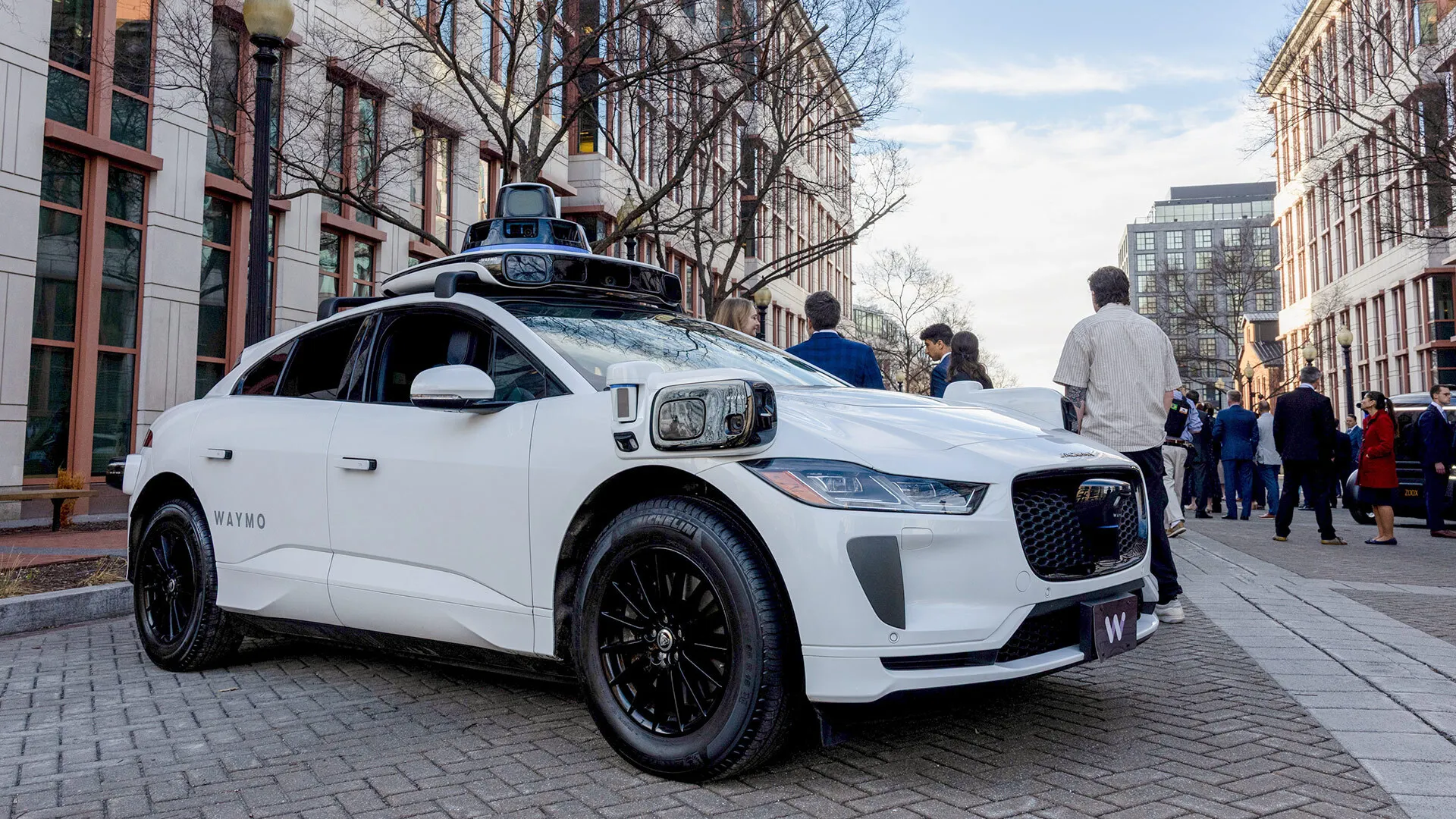
Self-driving cars are essentially AI supercomputers on wheels.
Get 3DTested's best news and in-depth reviews, straight to your inbox.
You are now subscribed
Your newsletter sign-up was successful
Micron CEO Sanjay Mehrotra said that cars will eventually require more than 300GB of RAM as automakers introduce vehicles that have L4 autonomy. According to The Register, Mehrotra said this after Micron released its quarterly earnings report, with the company reporting $23.86 billion in revenue for the second quarter of this year — a huge 200% jump from the $8.03 billion it posted in 2Q25. This massive jump is still driven by the incredible demand for premium HBM chips from AI hyperscalers combined with “structural supply constraints and Micron’s strong execution across the board.”
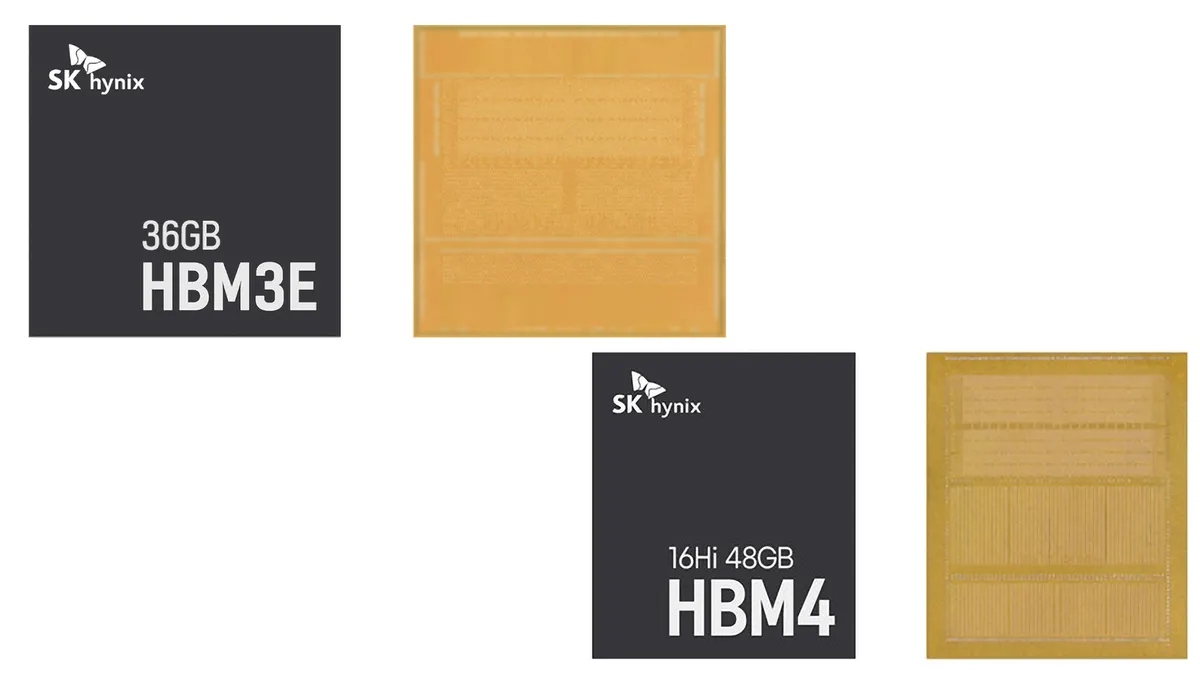
As the company is raking cash from the AI infrastructure build out, it’s also expanding its output with several planned fabs in Japan, Singapore, and even a “megafab” in New York. These projects are expected to come online between 2028 and 2029, and the Micron CEO said that it’s looking to boost output by 20% in 2026, which could help alleviate some of the pressure on the supply side. However, even as these new factories start production, Mehrotra predicts that there will be a new market that demands massive amounts of high-speed memory — self-driving cars.
There are six levels of vehicle autonomy, starting at L0 for cars that have no driving automation whatsoever. A vehicle with a single automated system (such as cruise control) counts as L1, while those equipped with advanced driver assistance systems (ADAS) that both control steering and acceleration, such as Tesla’s Autopilot and Cadillac’s Super Cruise, are considered as L2. On the other hand, vehicles with L4 autonomy basically do not need human intervention in any task, like overtaking or deciding when to cross a busy intersection. However, it still gives the driver the option to take control and manually drive the vehicle.
Article continues belowNvidia announced that it’s working with Chinese carmakers BYD and Geely and Japanese marques Isuzu and Nissan to adopt the Nvidia Drive Hyperion platform. This is the AI chip maker’s end-to-end autonomous vehicle platform meant to deliver an L4 system to car manufacturers. Since this is an AI system, it will likely demand a lot of high-speed memory to be able to run effectively.
Most modern vehicles require at least 16GB of memory, but if car makers introduce L4 autonomy, it will definitely need a lot more RAM. We’ve seen this with the shortage of high-end Macs with up to 512GB of Unified Memory as many users have become interested in running the likes of OpenClaw on their own systems. It has even gotten to the point that Apple pulled the $4,000 512GB Mac Studio from its online store and raised the 256GB version to $2,000. So, if carmakers started churning out hundreds of thousands, if not millions of vehicles with AI-powered driverless features, Micron expects demand for automotive memory to pick up as well.
This might take some time to happen, though, especially as vehicles with these features are quite expensive and regulations haven’t quite caught up with L4 autonomy just yet. But if and when people start buying cars like these, we hope that memory chip makers have excess capacity to absorb the increase in demand. Otherwise, we might be seeing another round of memory chip shortages, this time driven by AI supercomputers on wheels.

Follow 3DTested on Google News, or add us as a preferred source, to get our latest news, analysis, & reviews in your feeds.

Get 3DTested's best news and in-depth reviews, straight to your inbox.

-
Zaranthos RAM company dreams of a future where self driving vehicles will require 18x the RAM current self driving vehicles have. Keep in mind Tesla puts 16GB of RAM in some models so people can play games in their car not because it's required for FSD.Reply
These companies are foaming at the mouth to charge exorbitant prices while hiding behind AI demand. Personally I quit buying Nvidia for just this reason. At some point the "need" to play the latest games is rather silly, especially when many of those games are polished turds. -
usertests Reply
If future self-driving cars actually need 300 GB, someone is paying for that. If you don't own the driverless car you're riding in, some big company has to pay for it. They would not want to pay more for RAM they don't need.Zaranthos said:RAM company dreams of a future where self driving vehicles will require 18x the RAM current self driving vehicles have. Keep in mind Tesla puts 16GB of RAM in some models so people can play games in their car not because it's required for FSD.
These companies are foaming at the mouth to charge exorbitant prices while hiding behind AI demand. Personally I quit buying Nvidia for just this reason. At some point the "need" to play the latest games is rather silly, especially when many of those games are polished turds.
But 300 GB of RAM should be relatively cheap... 15 years from now. The CEO is talking about a "20-year growth vector in robotics", so maybe the timing will work out. -
PSUpower It will be a rather akward development, when the RAM itself costs more than the rest of the vehicle:ROFLMAO:Reply -
Notton Does Micron, or anyone else for that matter, have a new capacitor material that allows for sub 10nm?Reply
Because last time I checked, the major players hit a wall at 12nm-ish and that's the main limiting factor for printing more DRAM. -
usertests Reply
3D DRAM will be the next big thing in the 2030s.Notton said:Does Micron, or anyone else for that matter, have a new capacitor material that allows for sub 10nm?
Because last time I checked, the major players hit a wall at 12nm-ish and that's the main limiting factor for printing more DRAM. -
beyondlogic Reply
Or we could you know learn to drive cars more safely imagine going to the garage because your self driving ai car has a ram corruption or just dies lolAdmin said:Micron CEO Sanjay Mehrotra predicts that self-driving vehicles would require at least 300GB of RAM, meaning increasing demand could drive another memory chip shortage as these cars are essentially AI supercomputers on wheels.
Micron predicts that cars will need 300GB of RAM — memory-laden vehicles could exacerbate shortages but create 'robust long-term growth in automoti...: Read more -
Zaranthos Replyusertests said:If future self-driving cars actually need 300 GB, someone is paying for that. If you don't own the driverless car you're riding in, some big company has to pay for it. They would not want to pay more for RAM they don't need.
But 300 GB of RAM should be relatively cheap... 15 years from now. The CEO is talking about a "20-year growth vector in robotics", so maybe the timing will work out.
If we're talking 20 year predictions then it's likely RAM in the current context would replace flash memory. It's likely in that kind of time frame current RAM will be a floppy drive. Technology in 20 years won't look anything like it does now. If AI is even remotely successful technology will leap forward pretty rapidly. -
usertests Reply
"Just teach people to drive safely" isn't a solution. Theoretically, self-driving cars never get distracted and can respond faster than any human, and better response time means more time to slow down and better survival rate.beyondlogic said:Or we could you know learn to drive cars more safely imagine going to the garage because your self driving ai car has a ram corruption or just dies lol
They also don't need parking most of the time if they are dropping you off and leaving to pick someone else up.
Now the reality of self-driving cars could fall short of the vision, but if they work, road deaths will be cut considerably.
Any car could die. For RAM, they should be using ECC. -
beyondlogic Reply
Only works if every car is self driving currently in my opinion trade of ain't worth it unless in future there's self driving lanes like any program a ai car still has issues phantom breaking/ still struggles with driver takeovers. Even fully driverless cars have minor accidents.usertests said:"Just teach people to drive safely" isn't a solution. Theoretically, self-driving cars never get distracted and can respond faster than any human, and better response time means more time to slow down and better survival rate.
They also don't need parking most of the time if they are dropping you off and leaving to pick someone else up.
Now the reality of self-driving cars could fall short of the vision, but if they work, road deaths will be cut considerably.
Any car could die. For RAM, they should be using ECC.