We've been waiting for Nvidia's return to the consumer SoC market for a while, ever since the company's partnership with MediaTek was first announced. The N1/N1X chips, born from this partnership, have been in the rumor mill for ages, but it finally feels like the time is right, with major leaks intersecting recently. Now, a new report from The Wall Street Journal says the N1/N1X SoCs are ready to launch in the first half of 2026.
The excerpt above implies that Dell & Lenovo would be among the first OEMs to debut the N1 silicon, and that the initial models will start rolling out in H1 2026. The timeframe aligns with previous reports where DigiTimes said N1X-based laptops were set to release this quarter. Prior to that, a shipping manifest (dated November 2025) leaked out showing a 'Dell 16 Premium' laptop with an N1X engineering sample.
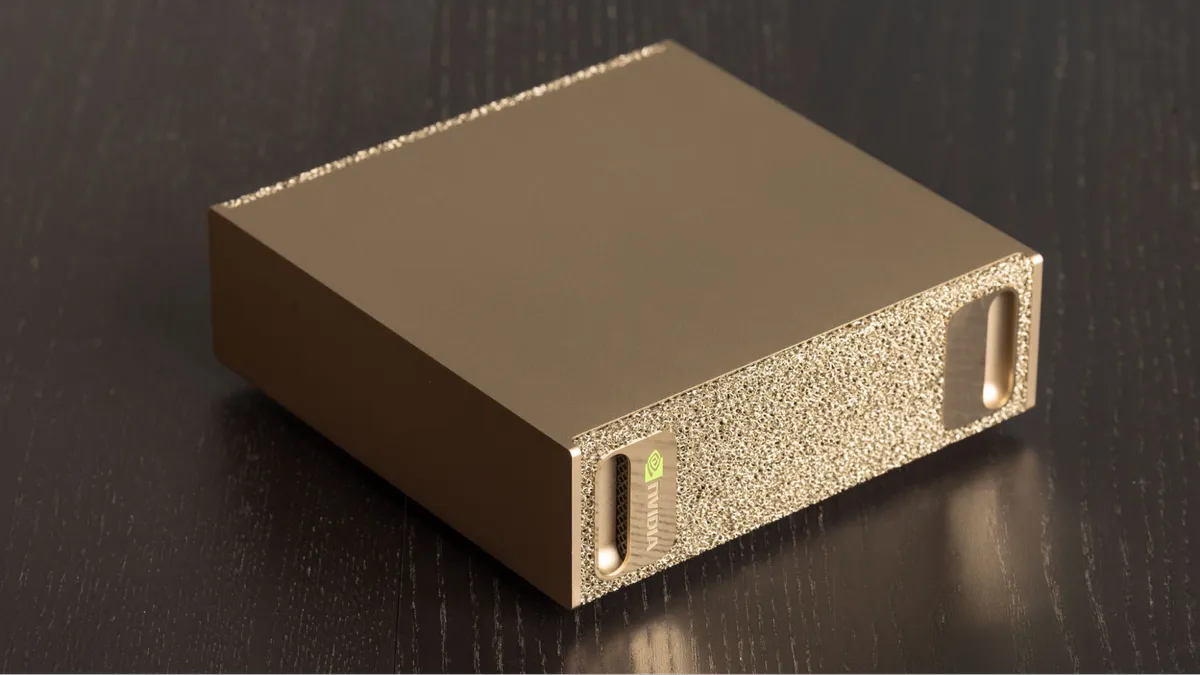
As a reminder, the N1 and N1X chips are Arm-based SoCs from Nvidia, purportedly featuring up to 20 CPU cores (split across two 10-core clusters) and a rumored RTX 5070-level integrated GPU. CEO Jensen Huang has confirmed that the GB10 Superchip powering the DGX Spark mini-PC is actually based on N1 silicon, so it's already out there... Just not with the gaming-focused slant we expect from the N1.
These SoCs are aimed at consumers looking for thin and light devices that can stand toe-to-toe with Apple's MacBook lineup, according to WSJ. The M-series chips in those laptops are also Arm-based and, so far, Microsoft doesn't have a proper answer to those with its Windows-on-Arm initiative. Qualcomm's efforts haven't been able to replicate that level of success, due to both laggardly GPU drivers and spotty compatibility with x86 applications.
Nvidia, of course, is a GPU manufacturer, so irrespective of the Arm CPU cores, we can expect the N1/N1X chips to be targeted at gaming. The company already supplies the chips for the Nintendo Switch 2, but the last time we saw it release a chip to the public was back in 2015 with the Tegra X1 (which also powered the original Switch). Therefore, a return to this segment has been a long time coming. Over the past decade, Nvidia has mainly focused its SoC development at the robotics and automotive markets.
Apart from the N1, Nvidia is also partnered with Intel to develop "Intel x86 RTX SOCs," which would combine Intel's CPU cores with an Nvidia GPU chiplet on a single package. Apart from the architectural differences of x86 versus Arm, this silicon would likely be much more powerful and at least a couple of years out at this point, but the WSJ report still mentions it.
Following several rumors that touted a 2025 release as early as 2024, we eventually learned that the N1/N1X chips have been pushed back to 2026. It's possible the upcoming Nvidia GTC, planned for March 16-19, is likely the stage where these chips will be unveiled. Pricing will remain a key factor in its prevalence; Jason Tsai of DigiTimes said that "it may remain a niche luxury product" unless it lands around the $1,500 range.

Follow 3DTested on Google News, or add us as a preferred source, to get our latest news, analysis, & reviews in your feeds.