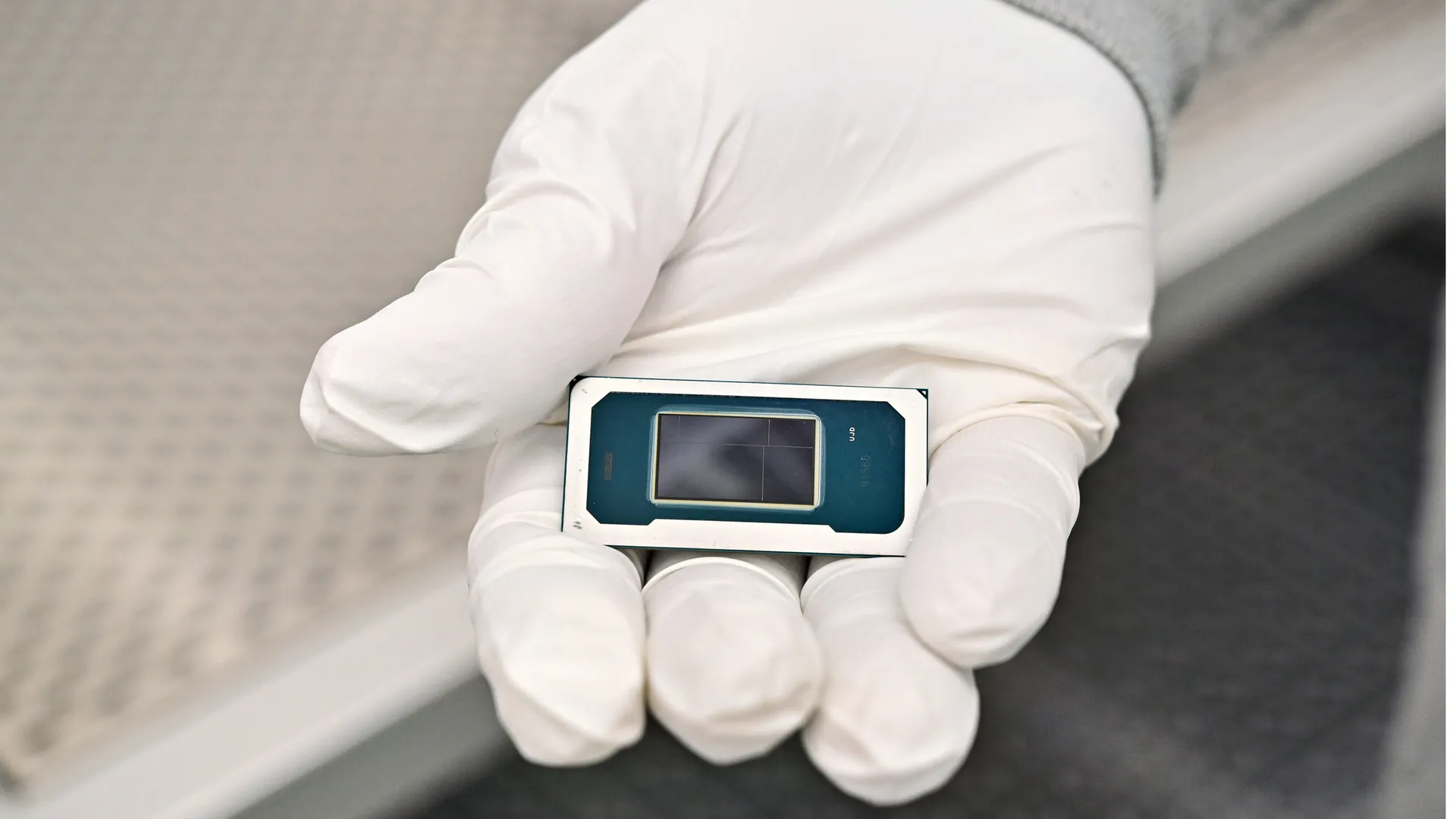
Intel has been working on its Wildcat Lake family of budget CPUs for a while now; we've had leaks since at least late 2024 teasing a proper next-gen successor to Twin Lake. The launch of Panther Lake has recently reignited the Wildcat Lake rumor mill. As such, leaker @harukaze5719 has just spotted a new Geekbench listing for an Intel "Core 3 304," and it's quite impressive for its class.

As for the specs of the CPU, we're looking at a six-core (2P + 4LPE) config, which is the only one Wildcat Lake has, but the Geekbench listing is reporting 1P + 4LPE across the two clusters, meaning one of the performance cores is disabled. It's an early engineering sample after all, so take all these numbers with a grain of salt; with an extra P-core in the mix, the thermal demands will change the performance equation.
Speaking of which, these Wildcat Lake processors are aimed at the ultra-budget market where efficiency is key. Think Chromebooks, mini-PCs, NAS, etc. For years, Intel has stayed on its Alder Lake platform (Twin Lake is just a refresh) for this category, so they've only had Gracemont E-cores for the past two generations. Wildcat Lake is expected to be the first to introduce Cougar Cove P-cores and pair them with Darkmont Low Power E-cores to provide a significant performance bump.

That performance bump will come with power demands, however, as Wildcat Lake is apparently rated for only 15W, whereas Alder Lake-N and Twin Lake were between 9-15W. The TDP is what separates these bottom-tier Core Ultra 300 series chips — the Core 3 310 and Core 5 320 that were leaked a few days ago, too — as they seem to have identical specs to the "Ultra" branded Core Ultra 5 322 and 332 CPUs.
The Geekbench listing for the Core 3 304 confirmed its base frequency is 1.5 GHz, and it can boost up to 4.3 GHz, which is just 100 MHz lower than the lowest-end Core Ultra 5 SKU in Panther Lake. We don't see it on the Geekbench page, but we know that Wildcat Lake is expected to feature 2 Xe3 cores, which means basic integrated graphics support but still a huge leap over "Intel UHD" graphics in prior generations.
All in all, Wildcat Lake is shaping up to be a potent release for the value-oriented consumer, especially during a global component crisis. The exact release date for these chips is unknown at the moment, but we should be seeing them soon, given how much they've been popping up lately. Initial leaks from back in the day actually pointed to a 2025 release, but that was when Panther Lake was also expected in 2025.

Follow 3DTested on Google News, or add us as a preferred source, to get our latest news, analysis, & reviews in your feeds.