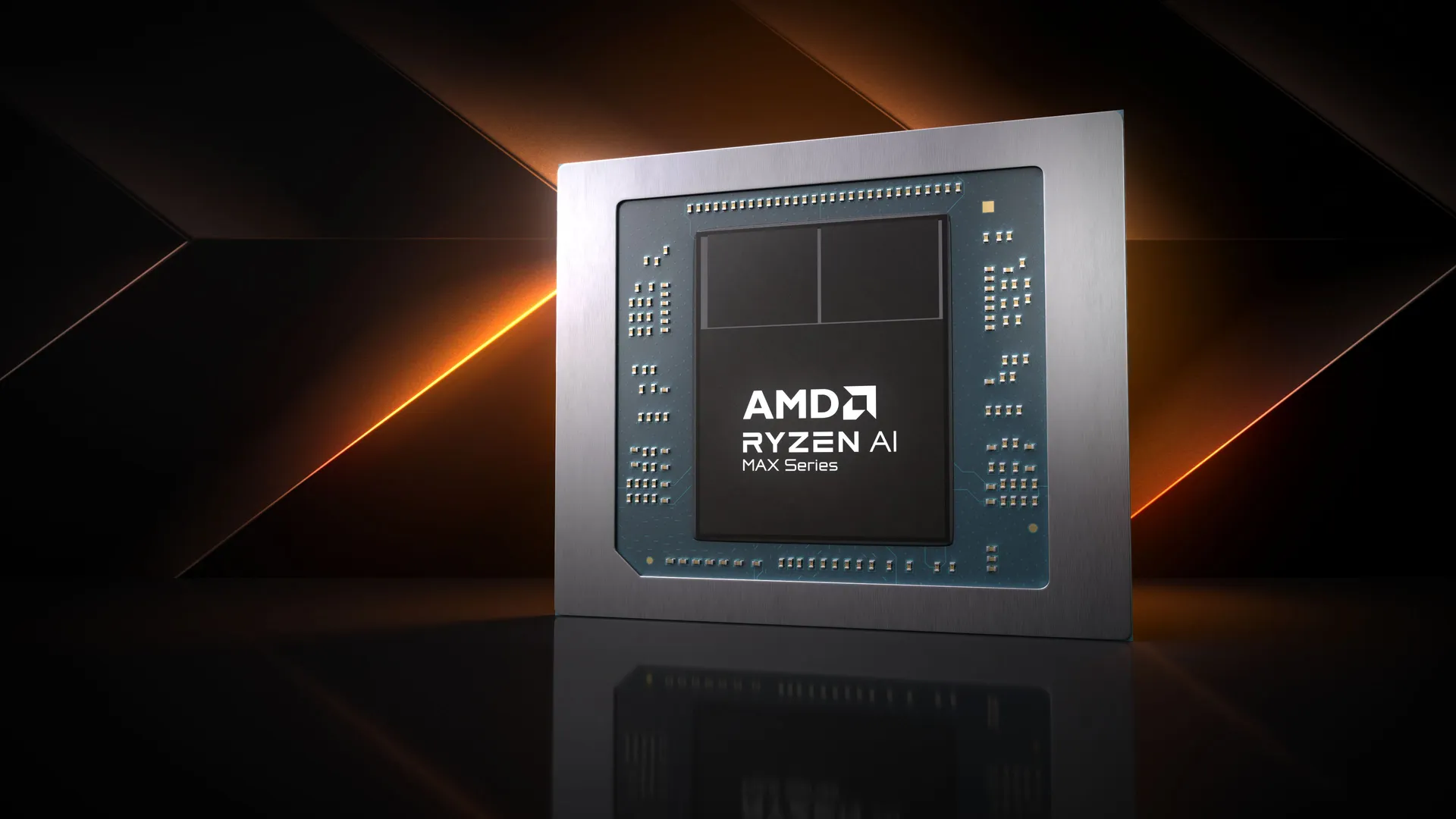
Following its well-received family of Strix Halo APUs, AMD will refresh its high-end gaming APU lineup with Gorgon Halo, bringing it up to date with the recently announced Gorgon Point, aka Ryzen AI Max 400, series. The real fun may arrive after that, though, as the true next-gen upgrade will come in the form of "Medusa Halo" sometime in 2027-28. This purported high-end APU could feature Zen 6 CPU cores and RDNA 5 graphics. Now, a new leak from reputed leaker Olrak29_ says that it will also support LPDDR6 memory.
LP6 February 5, 2026
Right now, Strix Halo features a 256-bit wide LPDDR5X memory controller that supports 8,000 MT/s speeds, which results in a bandwidth of 256 GB/s. The Gorgon Halo refresh could increase that figure to 273.1 GB/s with its 8,533 MT/s config.
Article continues belowWhen we bring Medusa Halo into the picture with LPDDR6 — even with the same 256-bit memory bus — at 14,400 MT/s, we're looking at 460.8 GB/s of maximum throughput, around 80% higher than current-gen Strix Halo.
Prior rumors have alleged that the bus width will be upgraded to 384-bit on Medusa Halo, which would result in an insane 691.2 GB/s of memory bandwidth.
Higher memory bandwidth on powerful APUs like the Halo series is of ever greater importance as AMD targets its Halo series not only at gaming but also for AI applications. LLM inference relies on memory bandwidth for high performance, which makes the raw throughput of the shared memory a very important characteristic to look out for. And Medusa Halo seems like it won't disappoint here.
AMD's competitors aren't sitting still in this regard. Intel's Panther Lake features the fastest x86 memory controller at the moment with its support for LPDDR5X-9600, although Intel has publicly disavowed building an integrated graphics processor as large as Strix Halo's. Meanwhile, Apple's M-series SoCs top out at 819 GB/s on the M3 Ultra with its 1,024-bit interface.
Take all of these numbers with a grain of salt, however because AMD hasn't even confirmed a Gorgon Halo refresh, let alone Medusa Halo; that product family is likely a couple of years out at this point. The company just unveiled two new Strix Halo SKUs at CES last month, so even Strix Halo is not done yet. Roadmap leaks so far have said AMD will maintain RDNA 3.5 graphics across most of its lineup through 2027-28, but Medusa Halo could be an exception.

Follow 3DTested on Google News, or add us as a preferred source, to get our latest news, analysis, & reviews in your feeds.