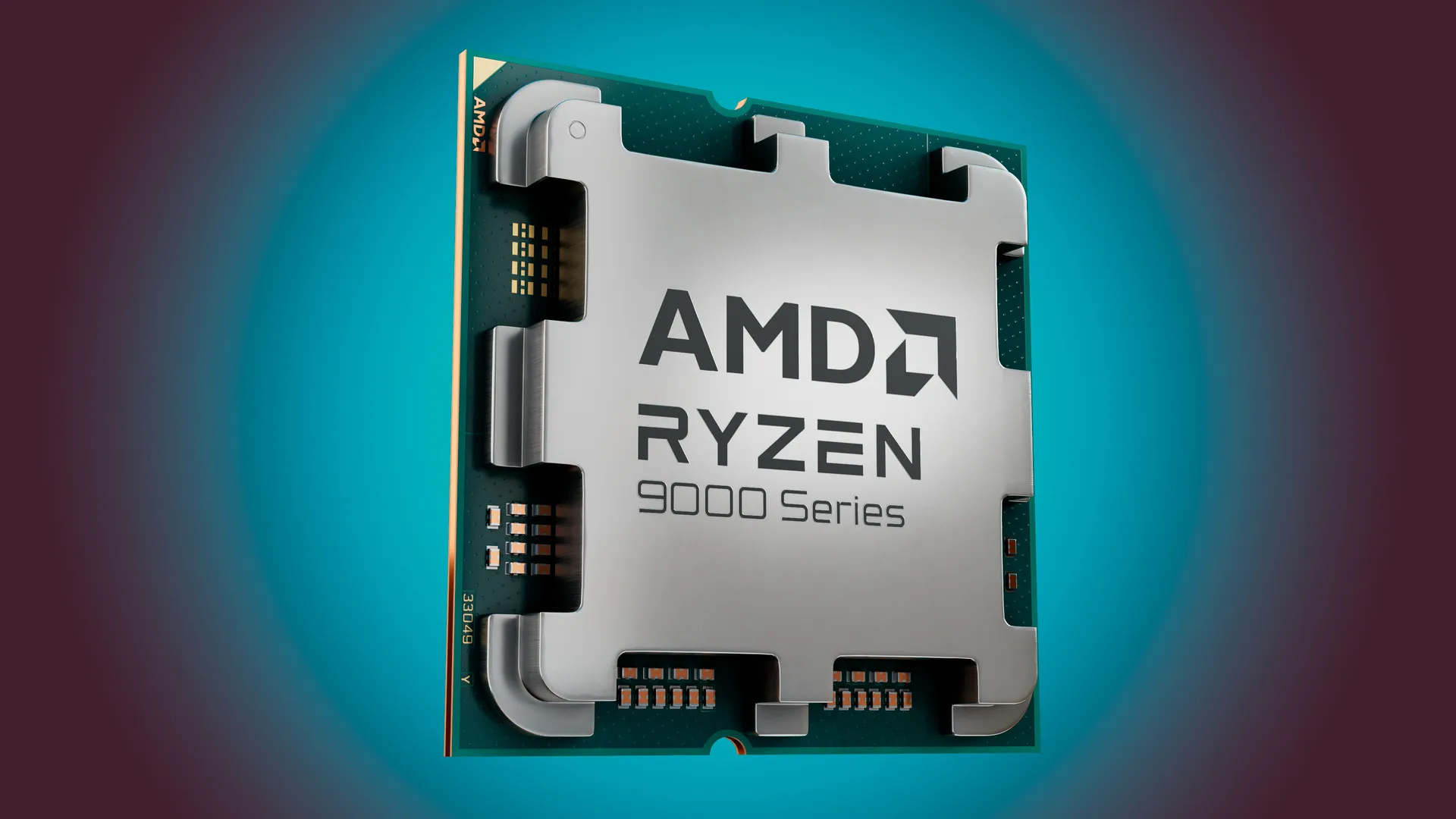
AMD, which is locked in constant competition with Intel to release the best CPUs, appears to be in retaliation mode. According to chi11eddog, a well-known hardware leaker, the chipmaker is refreshing at least two Zen 5 chips—the Ryzen 7 9700X and Ryzen 5 9600X—to better compete with Intel’s latest Core Ultra 200S Plus (codenamed Arrow Lake Refresh) series.
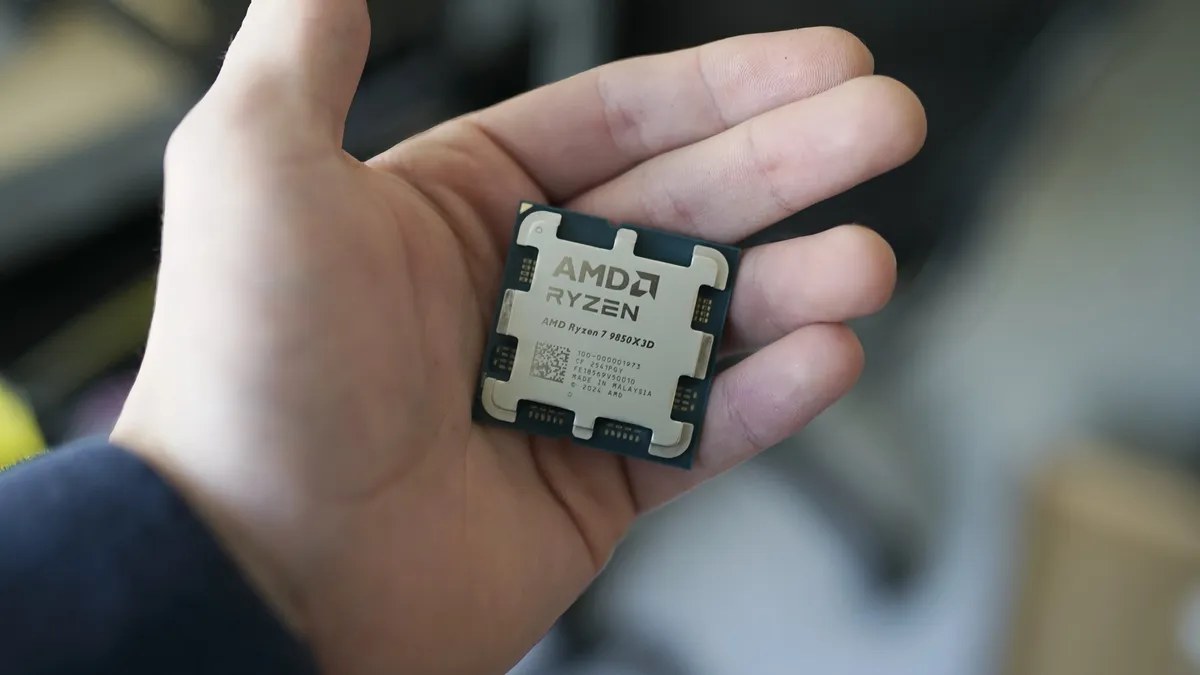
The change in nomenclature would imply that AMD may be aiming to create a clearer distinction between its vanilla and refreshed processors. The Ryzen 7 9750X and Ryzen 5 9650X would be a clear response to the intensified competition from Intel's recently-announced Arrow Lake Refresh. AMD's rumored new naming approach isn't awful, either, as it could help consumers more easily identify overall improvements, with higher numbers indicating better performance.
Article continues belowRyzen 7 9750X and Ryzen 5 9650X Specifications*
Processor | Cores / Threads | Base / Boost Clock (GHz) | L3 Cache | TDP (W) | MSRP |
|---|---|---|---|---|---|
Ryzen 7 9750X | 8 / 16 | 4.2 / 5.6 | 32 | 120 | ? |
Ryzen 7 9700X | 8 / 16 | 3.8 / 5.5 | 32 | 65 | $359 |
Ryzen 5 9650X | 6 / 12 | 4.3 / 5.5 | 32 | 120 | ? |
Ryzen 5 9600X | 6 / 12 | 3.9 / 5.4 | 32 | 65 | $279 |
*Specifications are unconfirmed by AMD.
The Ryzen 7 9750X and Ryzen 5 9650X will reportedly retain the core specifications of their standard counterparts, with the primary improvements manifesting as higher clock speeds. That's the standard hallmark of processor refreshes, after all. The Ryzen 7 9750X and Ryzen 5 9650X should offer tangible performance gains. According to the leaked information, the duo of refresh chips will flaunt a 400 MHz increase in base clock speeds and a 100 MHz bump in boost clock speeds. It translates to an impressive 10% uplift in base clock frequency, although the boost clock improvement is a more modest 2%.
The trade-off for higher clock speeds is increased power consumption. The Ryzen 7 9750X and Ryzen 5 9650X may feature a 120W TDP, a significant jump from the original 65W TDP of the Ryzen 7 9700X and Ryzen 5 9600X. It represents nearly a twofold increase, but that depends on how you look at it. Previously, AMD addressed the underwhelming performance of the original chips by introducing a 105W TDP option. Using that as a reference point, the Ryzen 7 9750X and Ryzen 5 9650X only portray a 15W increase, about 14% higher.
The higher clock speeds and TDP may appear incremental on paper, but in real-world usage, they would allow the processors to maintain higher sustained clock speeds, yielding better overall performance. TDP only describes the thermal design of the processor, however. Real-world power consumption is a different metric entirely.
AMD’s decision to refresh the Ryzen 7 9700X and Ryzen 5 9600X is no coincidence. Mid-range processors are strong sellers for AMD, and the chipmaker seeks to maintain and increase its market share in the highly competitive segment. The original Ryzen 7 9700X and Ryzen 5 9600X debuted in 2024 with MSRPs of $359 and $279, respectively, but their prices have since dropped to $307 and $184. The pricing strategy for the upcoming Ryzen 7 9750X and Ryzen 5 9650X will be especially important, as Intel has already positioned the rivaling Core Ultra 7 270K Plus and Core Ultra 5 250K Plus at aggressive price points of $199 and $299, respectively. The stage is set for a fascinating showdown, if AMD's rumored refreshes actually make it to market.

Follow 3DTested on Google News, or add us as a preferred source, to get our latest news, analysis, & reviews in your feeds.