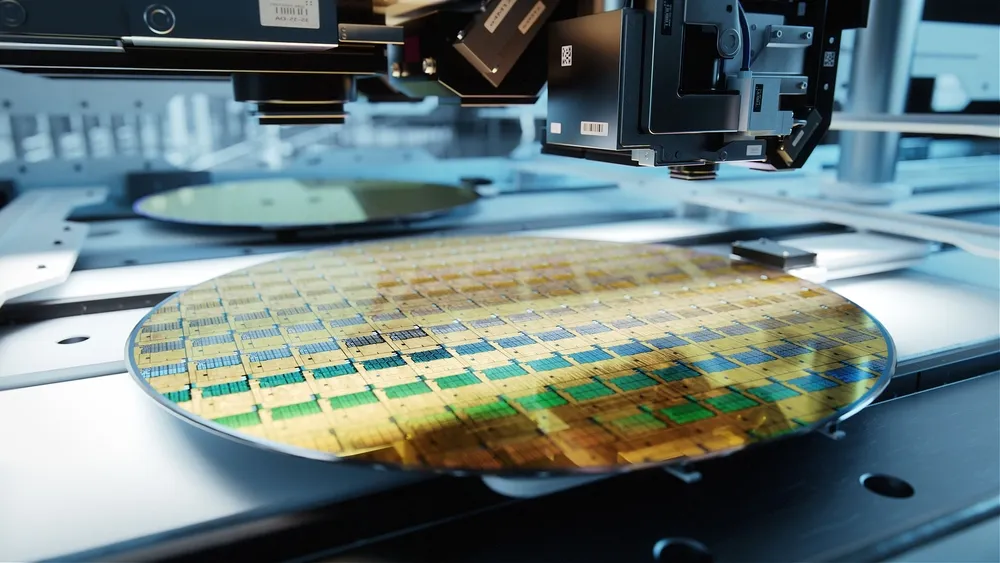
The U.S. Commerce Department has unveiled its final guidelines to curb the use of semiconductor manufacturing grants by nations such as China and Russia, which are perceived as potential threats to U.S. Security, reports Reuters. This move paves the way for the Biden administration to allocate $39 billion in semiconductor production incentives as part of the broader CHIPS and Science Act that earmarks $52.7 billion for the sector.
Introduced initially in March, these guidelines serve as protective measures. They deter beneficiaries of American funds from boosting semiconductor production in high-risk foreign nations, notably China and Russia. The rules restrict these beneficiaries from increasing semiconductor production in these nations and from entering into collaborative research or tech licensing partnerships with entities from these countries.
Article continues belowThe regulations also identify certain chips as vital to national security, thereby imposing stricter restrictions on them. This includes chips used in quantum computing, radiation-intensive environments, and other specialized military applications.
In October 2022, the department implemented export controls, limiting China's procurement of chips, such as Nvidia's A100 and H100, made using American technology. In addition, the U.S. Department of Commerce now requires export licenses for advanced wafer fab equipment if the tools are exported to China.