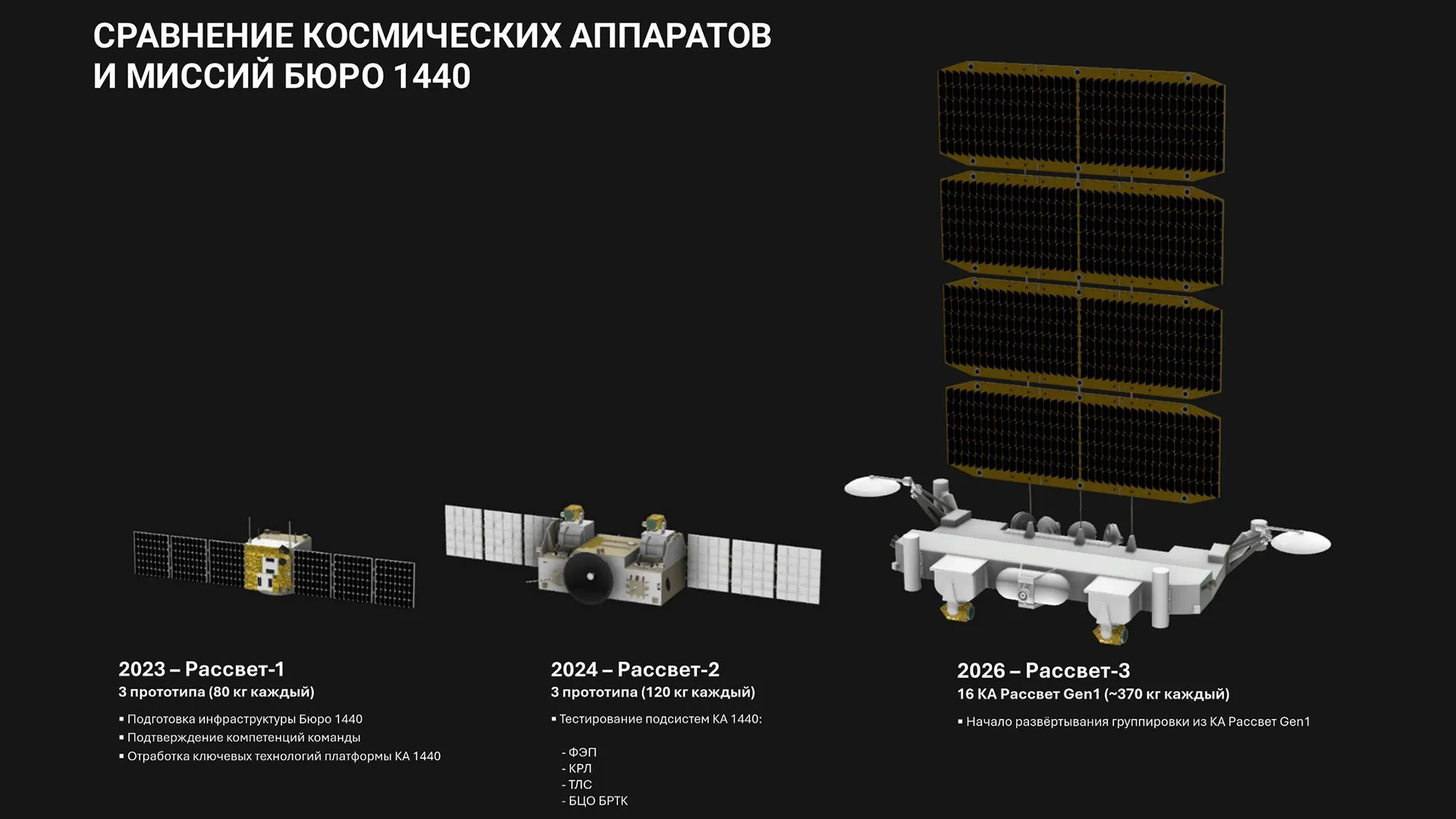
Russia has at last begun to deliver on its plans to establish a domestic state-funded rival to Elon Musk’s Starlink, reports The Moscow Times. The launch of the first 16 satellites, said to form the foundation of a constellation of 900 by 2035, was supposed to have happened in Q4 last year. The so-called Rassvet system aims to expand to 250 LEO satellites next year, when it will become a domestic commercial alternative to Starlink.
An object was sent up from Plesetsk cosmodrome under an hour ago pic.twitter.com/hqAMMRfjMy March 23, 2026
So, 16 out of 900 might sound like a drop in the ocean of space, but this first step was probably one of the most difficult. Alexei Shelobkov, the chief executive of Bureau 1440’s parent firm, ICS Holding, mentioned that the rollout of Rassvet will involve dozens of additional launches. A quick prod of the calculator suggests that just 15 more launches (with batches of 16 satellites) will be required to hit the 250 constellation target for sometime in 2027.
Article continues below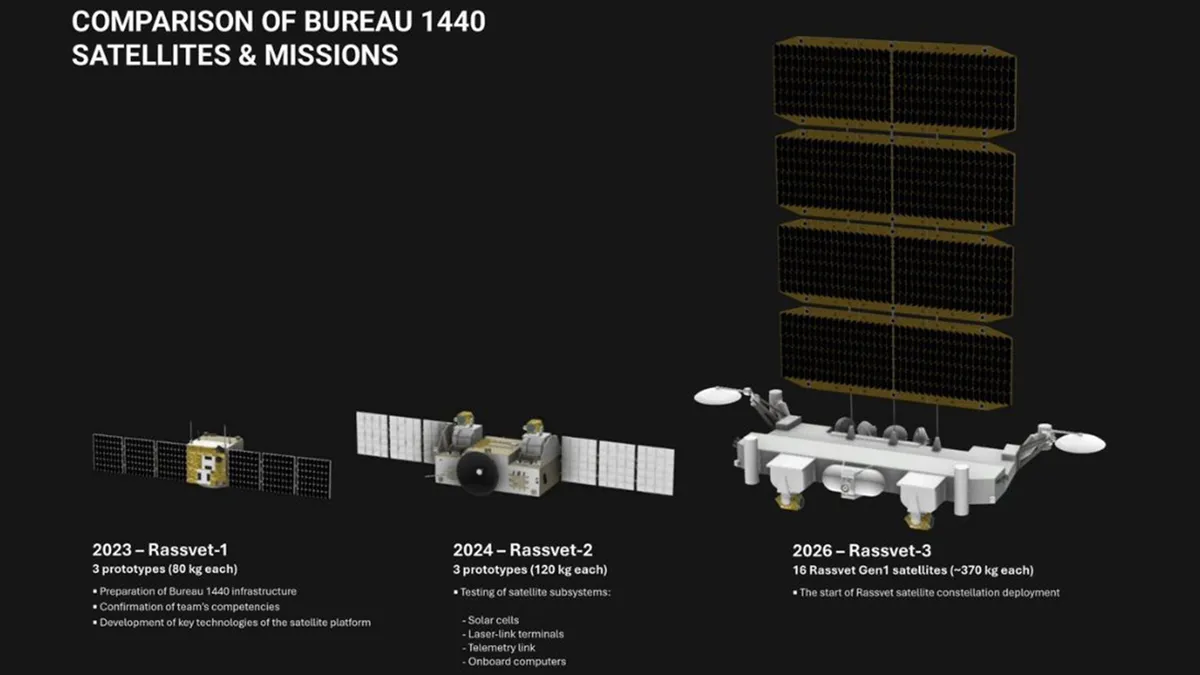
Did Starlink's whitelist policy hasten the Rass?
The Russian government has reportedly set aside the equivalent of $1.26b to help develop Rassvet. If you think it is good to see the Russian state investing in non-military infrastructure, remember that it coincidentally lost Starlink access only last month. It was then that SpaceX introduced its latest whitelist-only policy to supersede the earlier ineffective protocols that were active at the time. Undoubtedly, this would have exerted pressure on Rassvet engineering groups to move forward with their work.
Evidently, Rassvet, even reaching its fully developed 900 satellite goal, will be eclipsed by endeavors from different nations, such as The U.S., or international blocs like the EU. Serves as the base for two of the leading satellite internet providers: the noted Starlink, with approximately 10,000 already in operation, and a future goal surpassing 30,000; furthermore Amazon Leo (the renamed Project Kuiper) maintains more than 200 satellites deployed, yet the goal exceeds 3,200.

Follow 3DTested on Google News, or add us as a preferred source, to obtain our newest reports, breakdowns, & appraisals via your feeds.