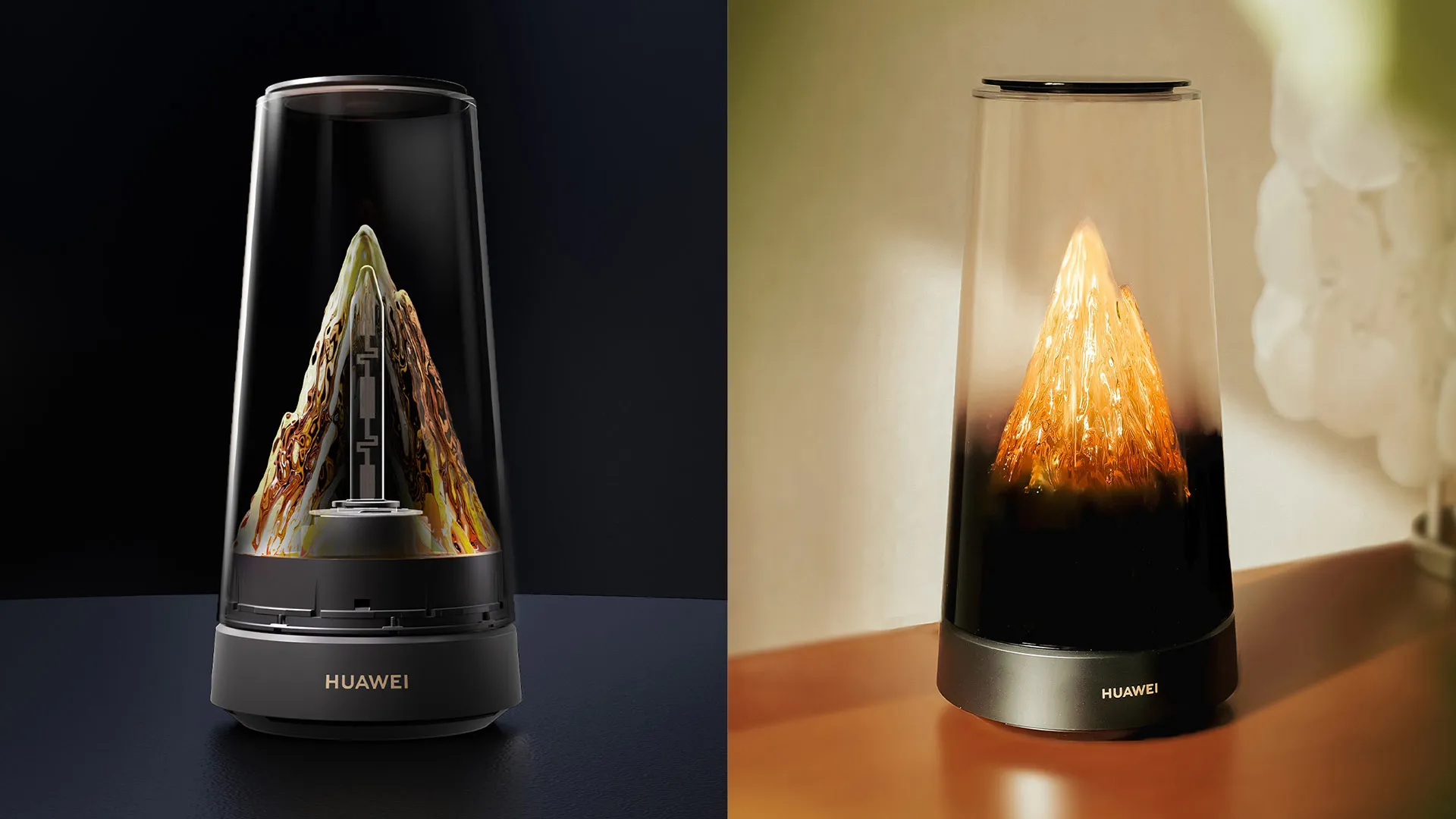
Chinese tech giant Huawei has lined up a magical-looking Wi-Fi 7 router featuring the world’s first "metal mesh crystal antenna" (machine translation) on Japanese crowdfunding site GreenFunding. As well as the glowing crystal mountain at the center of the design, the router boasts a ‘shark fin’ heat exhaust system. It might be the nearest a home tech appliance has yet got to the gadget holy grail of combining sharks and laser beams.
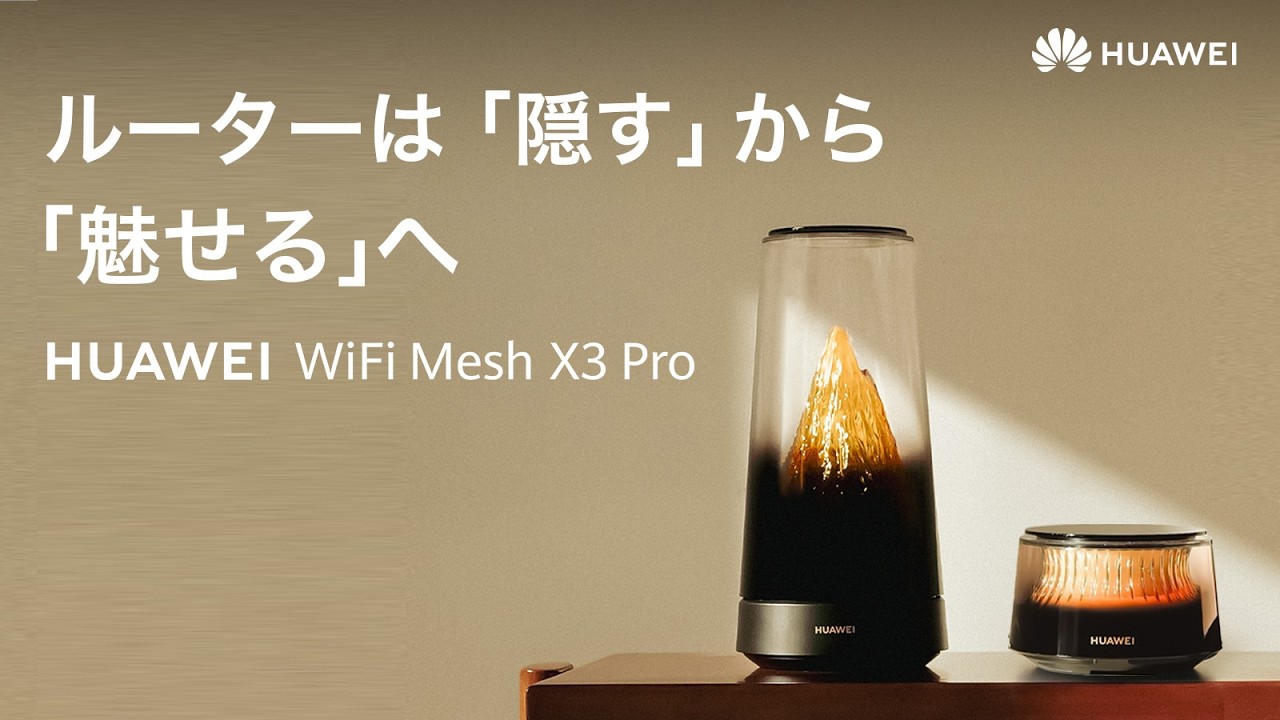
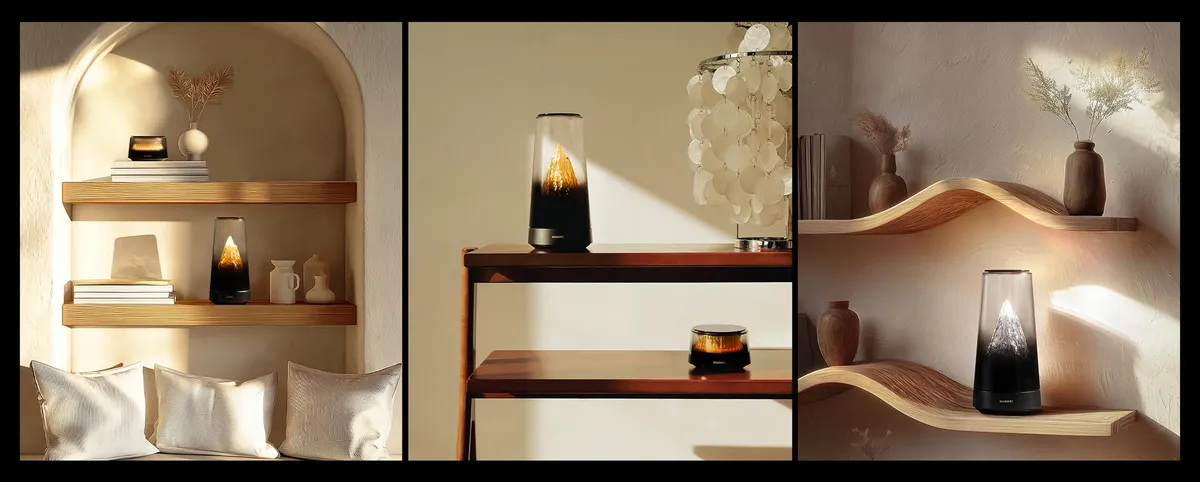
You will have formed your own idea about the visual appeal of the new Huawei WiFi Mesh X3 Pro. Whatever your opinion of its glowing physical presence, it seems like a bold move for Huawei to promote a piece of tech that is usually hidden away into the limelight. Actually, moving the router out of a hidden corner, into a central ornamental statement piece, will probably be good for the Wi-Fi signal in your home.
Article continues belowBeneath the “sophisticated amber glow,” the 10-inch (250mm) tall WiFi Mesh X3 Pro packs in some attractive technology. For example, it supports technologies such as "MLO", "4K-QAM", and "Multi-RU" to stretch its Wi-Fi 7 capabilities. There are also two 2.5 Gbps Ethernet ports on the main unit. All this is driven by the custom Huawei Gigahome SoC.
To maintain the router’s throughput across its six high-performance antennas, the “Shark Fin Heat Exhaust System” comes into play. Huawei boasts it can prevent any thermal throttling affecting which could adversely affect long hours of online gaming or large data transfers.
Huawei has made a matching mesh node/satellite unit, which is included in some of the crowdfunder bundles. This is a truncated but complementary glowing design, again encouraging the owner not to deploy it in a hidden recess.
Model | Huawei WiFi Mesh X3 Pro |
Product type | Wi‑Fi 7 dual‑band mesh router (2.4 GHz + 5 GHz) |
Wireless standards | IEEE 802.11be/ax/ac/n/a/g/b, 2×2 MIMO |
Max wireless rate | Up to 688 Mbps (2.4 GHz) + 2882 Mbps (5 GHz), ~3.6 Gbps theoretical total |
CPU / platform | Huawei Gigahome SoC with Wi‑Fi 7 optimisations |
Antennas | Internal “crystal” antenna structure (no external antennas) |
Ports (main unit) | 1× 2.5 Gbps WAN, 1× 2.5 Gbps LAN |
Mesh support | Multi‑node mesh (main + satellite units, seamless roaming) |
Security | WPA/WPA2/WPA3, firewall, brute‑force attack detection, parental controls |
Management app | HUAWEI AI Life (setup, diagnostics, lighting, and Wi‑Fi control) |
Dimensions | Approx. 250.9 mm (Height) × 123.2 mm (Diameter) |
Weight | Approx. 790 g (1.75 pounds) |
Seemingly a Japan exclusive for now, the crowdfunding is going very well – raising 8,600% over target – so perhaps Huawei will see fit to roll out the visually appealing WiFi Mesh X3 Pro in more markets. Then we'll be able to check whether it stands up to comparisons with the best Wi-Fi routers we've tested. Converting the (regular non-early bird) Japanese Yen price to USD would suggest a U.S. Price of $170 for the main router alone. Not that bad for what Huawei claims is a piece of “art.”

Follow 3DTested on Google News, or add us as a preferred source, to get our latest news, analysis, & reviews in your feeds.